Introduction to CQRS, Event Sourcing, and Kafka
Explore Module 1: overview of microservices architecture, Principles of microservices, and Monolithic vs.
Explore the course learning plan Training & Capability DevelopmentLearn. Practise. Apply.⌕
Implement CQRS and Event Sourcing in a microservice architecture.
This course provides a deep dive into implementing microservices using the Command Query Responsibility Segregation (CQRS) and Event Sourcing patterns.
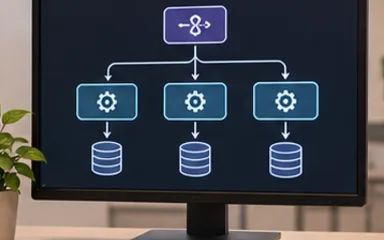
Explore Module 1: overview of microservices architecture, Principles of microservices, and Monolithic vs.
Explore the course learning planExplore Module 5: setting up Kafka for Event-Driven systems, Kafka installation and setup (Docker and local setup), and Configuring Kafka topics, producers, and consumers.
Explore the course learning planExplore Module 8: handling consistency and distributed transactions, tioning Kafka topics for scalability, and Event streaming patterns: fan-out, event replay, event sourcing at scale.
Explore the course learning planExplore Module 1: overview of microservices architecture, Principles of microservices, and Monolithic vs. Microservices architecture. The discussion covers Problems with monolithic systems in distributed environments, Module 2: introduction to CQRS (Command query responsibility Segregation), and the role of CQRS and why use it. The section also examines Advantages and challenges of CQRS in a microservices context.
Explore Module 5: setting up Kafka for Event-Driven systems, Kafka installation and setup (Docker and local setup), and Configuring Kafka topics, producers, and consumers. The discussion covers Producing and consuming events using Kafka, Module 6: Designing CQRS in Microservices, and Implementing command models and query models. The section also examines Separation of concerns: write-side vs read-side.
Explore Module 8: handling consistency and distributed transactions, tioning Kafka topics for scalability, and Event streaming patterns: fan-out, event replay, event sourcing at scale. The discussion covers Handling distributed transactions with Kafka, Implementing the Saga pattern, and Managing eventual consistency in distributed services. The section also examines Module 9: scaling Kafka and microservices and Kafka replication and fault tolerance.
Need the detailed syllabus? Request the course outline.
Check the course fit for your role and experience. Confirm the prerequisites, delivery scope and preparation before booking.
Check the full outline for this course’s tools and technologies. Confirm software versions, licences, accounts, equipment, access and installation requirements before joining.
Ask which preparation materials, follow-up resources or trainer support are included in your selected delivery.
Confirm the certificate, completion requirements and any assessed activities for your selected batch. A practical project does not by itself establish an assessed skills award.
Understand certificates and assessments →Confirm dates, venue, fees, available seats and delivery arrangements with Timmins before booking.
Ask Timmins about upcoming dates for this course.
View the public training calendar →Ask about another date or team delivery. Share your preferred timeframe, city or delivery mode and participant numbers. Timmins will discuss the options; dates, trainer availability, delivery and fees must be confirmed separately. Sending an enquiry does not reserve a place or confirm a class.
Your selected course is included in the draft. Review it and press Send in your messaging app.
Software Engineers and Architects, DevOps Engineers, and Technical Leads.
Basic understanding of microservices architecture. Familiarity with distributed systems and design patterns. Experience in any programming language (preferably Java, Python, or JavaScript).
Check the full outline for this course’s tools and technologies. Confirm software versions, licences, accounts, equipment, access and installation requirements before joining.
The learning plan describes the course topics and activities in the published summary. Ask Timmins to confirm the exercises, trainer feedback and any assessed activities for your selected delivery. Completion and assessed credentials have different requirements.
AI-assisted activities are not listed in this course summary. Ask Timmins to confirm the scope of your selected delivery rather than assuming AI tools are included.
Discuss an in-house programme with Timmins. Share the team’s roles, starting knowledge and workplace challenges. Agree any adaptations, assessment and follow-up support in the proposal.